Sasol Ethanol Supply

Sasol Ethyl Alcohol in industrial, anhydrous and denatured grades — sealed in drums, IBCs and ISO tanks with a batch COA on every lot.

Request a Quotation
99.9%Min. assay, anhydrous
3 gradesIndustrial, anhydrous, denatured
200 LDrum, or 1000 L IBC
1 lotOne batch COA per shipment
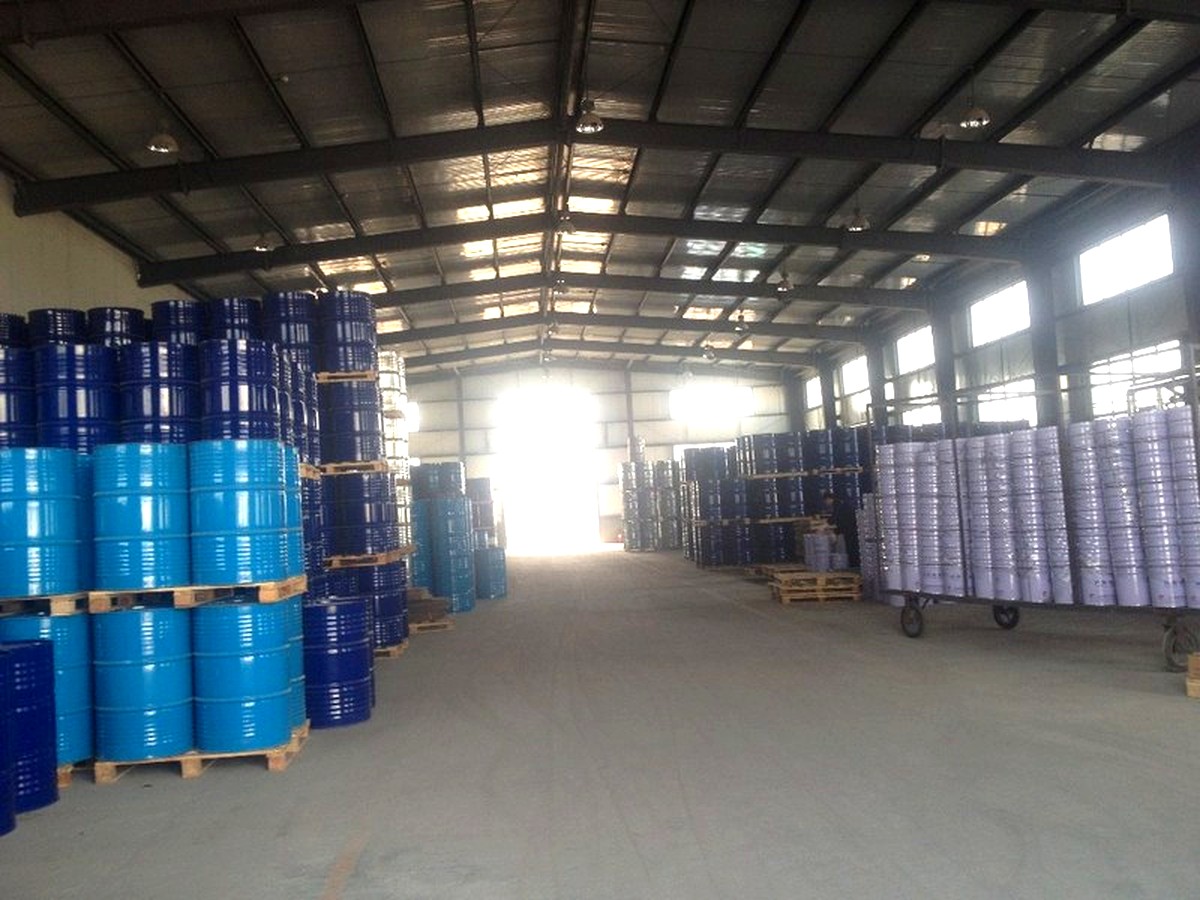
Sasol Ethanol packed in sealed 200 L steel drums
The Product

What Sasol Ethanol Is

Sasol Ethanol — also written Sasol Ethyl Alcohol — is a clear, colourless, volatile alcohol produced to a consistent assay and delivered as a single homogeneous lot.

Ethanol is a two-carbon alcohol that dissolves in water and in most organic solvents, which is why it works both as a diluent for water-based systems and as a co-solvent for resins, pigments and additives. Its evaporation profile sits between that of acetone and butyl acetate, so a formulator can moderate drying speed simply by adjusting the ethanol share of the solvent blend.

Sasol Ethyl Alcohol carries a mild characteristic odour and is miscible with esters, ketones, glycol ethers and aromatic hydrocarbons. Odour is one of the first properties buyers check, because residual aldehydes and higher alcohols are what make an ethanol smell off-spec in a cosmetic or a food-contact application. We release the lot only after the carbonyl and higher-alcohol figures are verified on the chromatograph.

Because ethanol is a Class 3 flammable liquid with a flash point of about 13 °C, handling discipline matters as much as the assay. Drums are UN-rated, bungs are torqued to the closure torque on the label, and every pallet leaves with an intact seal so the product reaches you at the quality it left at.

View Specifications
Grade Selection

Three Ethanol Grades

The right grade is decided by two things: how much water your process tolerates, and whether the alcohol needs to be denatured for shipment under your local regulations.

Grade Assay Water content Primary use
Industrial Grade 96% v/v Azeotrope level Cleaning, disinfection, general solvent work
Anhydrous Grade 99.9% v/v minimum Trace Reaction solvent, extraction, moisture-sensitive formulations
Denatured Grade 96% or 99.9% base Per base grade Tax-exempt handling, surface cleaning, fuel blending
Technical Data

Ethanol Properties

The figures below are the physical constants formulators work from when sizing pumps, choosing seals and setting flash-point controls for storage.

CAS number 64-17-5
Molecular formula C₂H₆O
Boiling point 78.3 °C
Flash point ≈ 13 °C
Density at 20 °C 0.789 g/cm³
Applications

Where It Performs

Sasol Ethanol is bought by formulators, plant engineers and blending operations across five broad use areas. Each one asks something different of the alcohol.

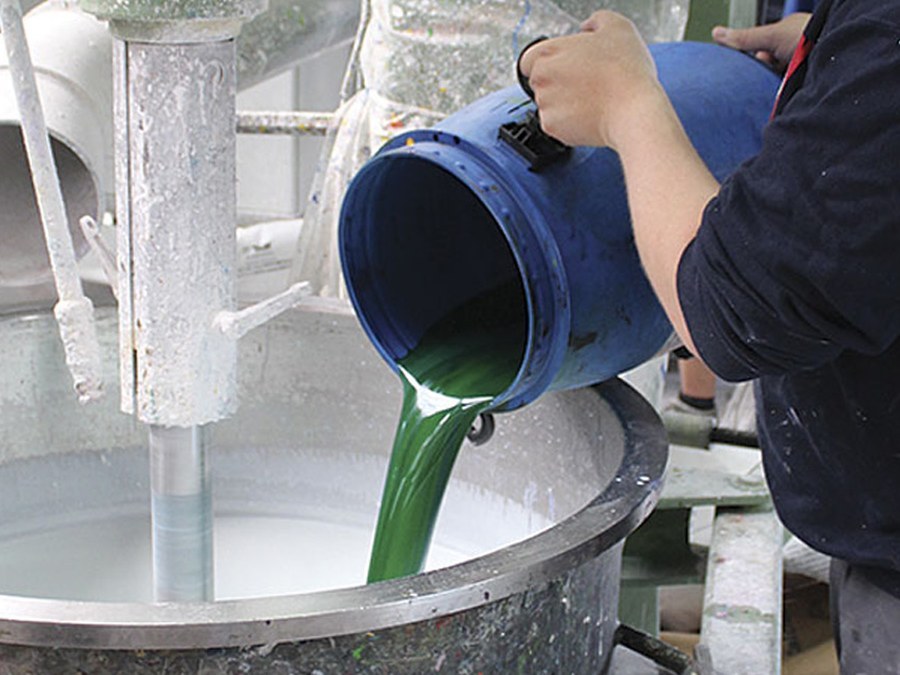
Ethanol used as a solvent in paint and coating production

Solvent for Coatings

In paints, inks and lacquers ethanol acts as a fast-drying solvent and a coupling agent that holds resin and water together in a stable film. It keeps viscosity in range while pigment dispersion is ground, then leaves the film quickly enough to control tack-free time.

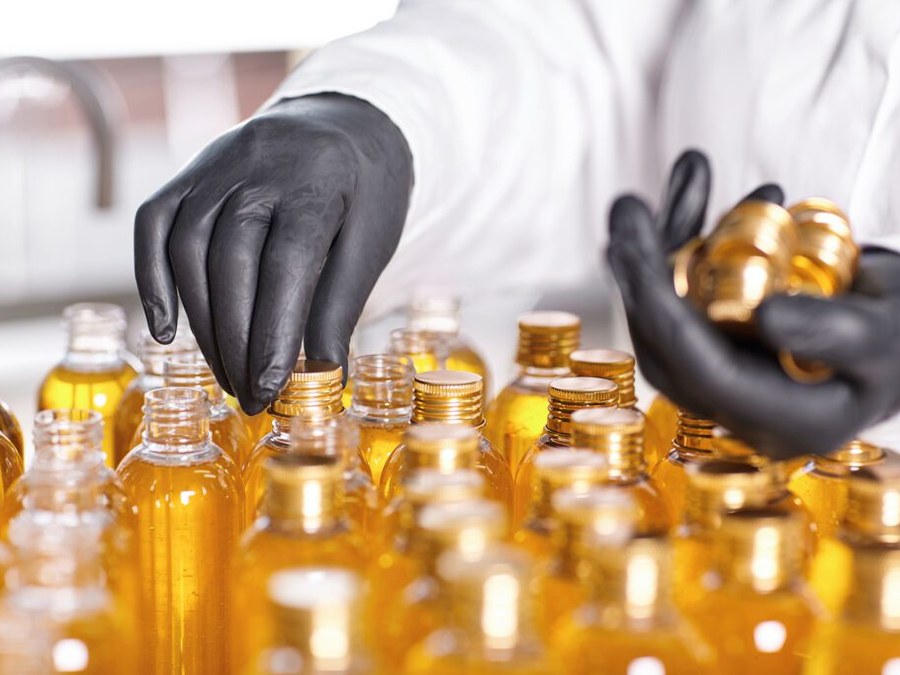
Sasol Ethyl Alcohol used in pharmaceutical and cosmetic formulation

Pharma and Personal Care

Ethanol is the solvent of choice for tinctures, oral liquids and topical preparations, and the volatile carrier in perfumes, hand sanitizers and toners. Anhydrous grade is used where a formulation cannot tolerate the water that would otherwise drive hydrolysis or microbial growth.

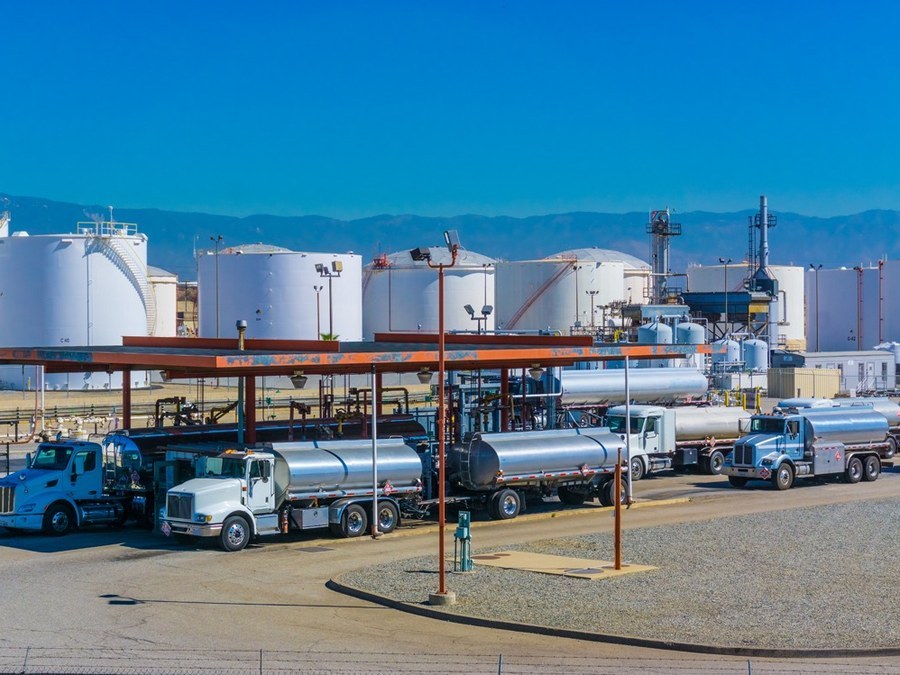
Ethanol blended into fuel for transport

Fuel Blending

Blended into gasoline, ethanol raises octane and supplies oxygen for cleaner combustion. Denatured grade is the standard input here, because the fuel specification already tolerates the denaturant and the blend avoids the excise handling of undutied pure alcohol.

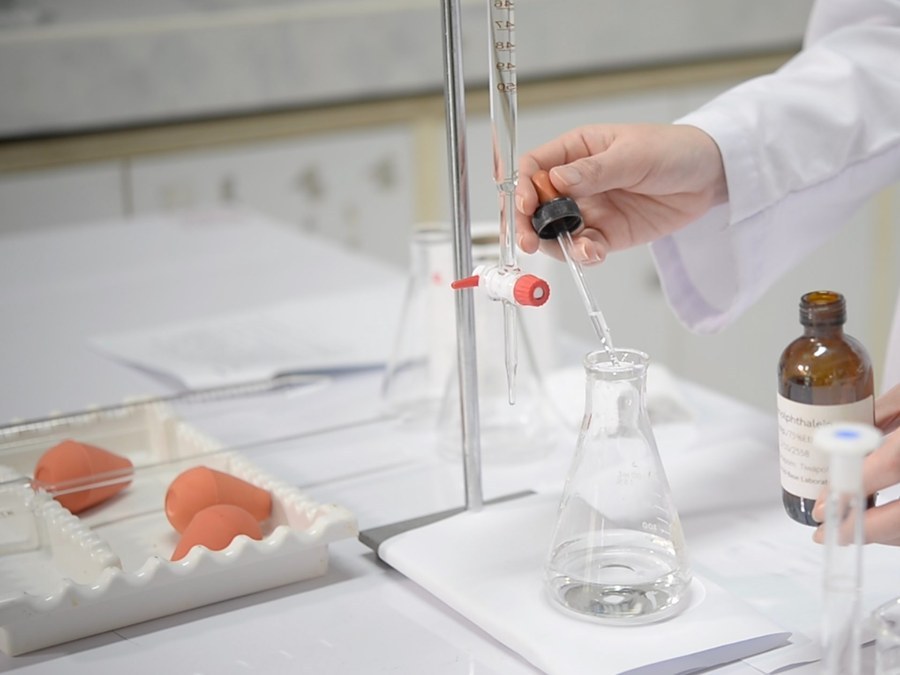
Laboratory verification of Sasol Ethanol batch quality

Chemical Intermediate

As a building block ethanol feeds esterification, etherification and oxidation routes — ethyl acetate, diethyl ether, acetaldehyde and ethylamines all begin here. Low water content keeps side reactions down and protects the catalyst.

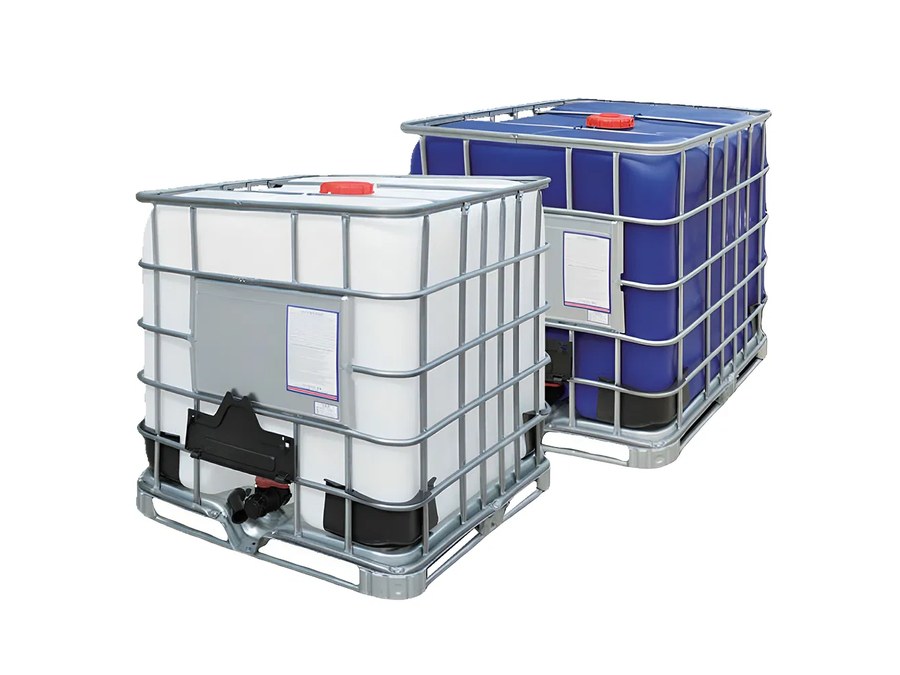
Ethanol delivered in IBC totes for cleaning chemical production

Cleaning and Disinfection

Surface cleaners, glass cleaners, sanitizers and industrial degreasers all rely on ethanol for its fast evaporation, low residue and broad microbicidal action. Because it leaves no film and does not attack most plastics, it suits electronics, medical device and food-processing environments.

From Purchase Order to Delivered Lot

Ordering Sasol Ethyl Alcohol should be predictable. We keep the sequence the same each time so your receiving team knows exactly what arrives and in what state.

STEP 01 Grade and volume

Agree the grade, the assay you need and the volume per delivery so the batch is allocated against a single production lot.

STEP 02 Lot release

The selected lot is released against its chromatograph results, with the COA lot number recorded before packing starts.

STEP 03 Filling and sealing

Drums or IBCs are filled, bungs torqued, labels applied and the pallet shrink-wrapped with the seal visible for inspection.

STEP 04 Export documents

Invoice, packing list, COA, SDS and the Class 3 transport document travel together so clearance is not held up.

Quality Control

Tested Every Lot

An ethanol lot is only as good as the numbers printed beside it. Each batch of Sasol Ethanol is sampled before release and the result is attached to the shipment, not held on file for later reference.

  • Assay and water content by gas chromatography and Karl Fischer titration
  • Methanol, aldehydes and higher alcohols checked against specification limits
  • Colour and odour assessed visually and by sensory panel before packing
  • Lot number printed on every drum and IBC so the sample can be traced back
Sasol Ethyl Alcohol sample undergoing laboratory testing
Packaging

Choose Your Format

Ethanol is shipped in three formats, each suited to a different size of operation. All of them are UN-rated for Class 3 flammable liquid and palletised to standard export dimensions.

Steel Drum

200 L and 160 kg net capacity for trial batches and small production runs. Two bungs allow drawing without opening the full drum, and the closure torque is marked on the label.

IBC Tote

1000 L composite IBC with a standard valve and a corner-located top filling point. Suited to weekly consumption where a forklift can drop the tote beside the mixing vessel.

ISO Tank

For bulk deliveries that go straight into a storage tank. The container is dedicated to one product for the shipment and is sampled and sealed at the filling point before departure.

Storage Guidance

Keep containers closed, upright and out of direct sunlight in a cool, ventilated store away from oxidisers and ignition sources. Bond and earth transfer equipment to control static, as required for Class 3 liquids.

About the Company

Ascent Group Co., Ltd

Ascent Group Co., Ltd supplies Sasol Ethanol and Sasol Ethyl Alcohol to coating, pharmaceutical, personal care, cleaning and fuel-blending customers.

We work from the batch record outward. The lot you receive is the lot that was sampled and tested, and the COA travelling with it carries the same number printed on the drum. That single link is what makes a claim possible if something goes wrong at your plant.

Our team handles the practical side of importing a flammable liquid: UN-rated packaging, correct transport documents, an SDS in the language your authority expects, and a packing list that matches what actually left the warehouse. When a destination requires a specific declaration, we prepare it before the shipment is booked rather than after it arrives.

We keep the range narrow on purpose. Specialising in Sasol Ethanol and Sasol Ethyl Alcohol means we know the grades, the container options and the documentation for this product rather than spreading attention across a catalogue.

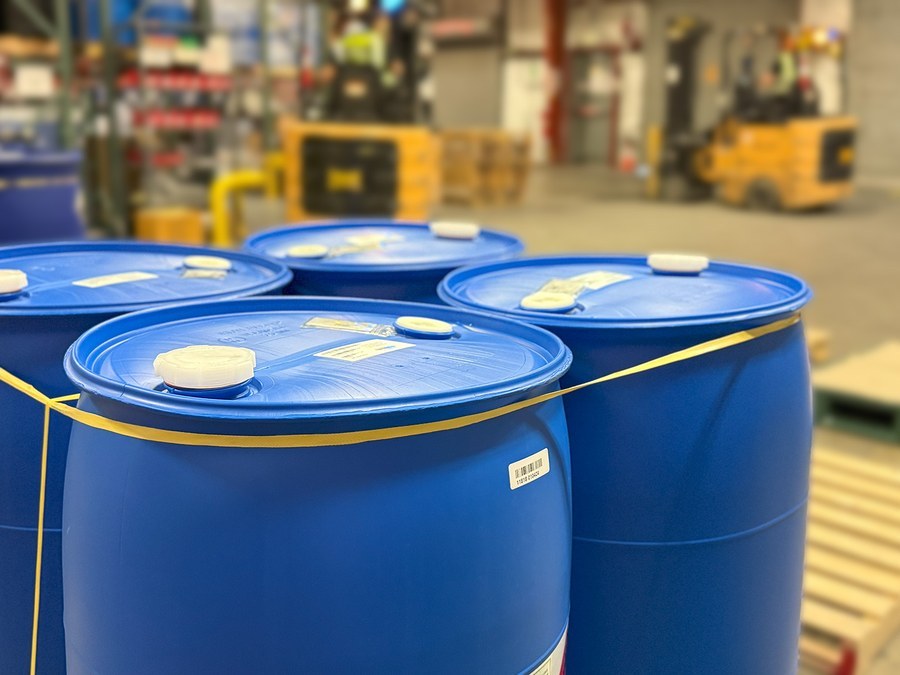
Steel drums of Sasol Ethanol staged for dispatch at Ascent Group Co., Ltd
Buyer Questions

Common Questions

Which grade do I need?

If your formulation cannot tolerate water, choose anhydrous grade at 99.9% minimum. For cleaning, disinfection and general solvent work, industrial grade at 96% is enough. Choose denatured grade when the alcohol must ship and be handled without excise complications.

What does the COA report?

Every batch certificate lists assay, water content, methanol, aldehydes and other carbonyls, acidity as acetic acid and colour. The doc reference at the top of the COA matches the lot number on the drum or IBC label.

Can you combine grades?

Yes. A single order can mix drum and IBC quantities of different grades, provided each grade is drawn from its own batch and carries its own COA. Each lot stays separate through filling so the traceability is not blended.

How is it shipped?

Sasol Ethanol travels as UN 1170, Class 3, packing group II. The transport document names the proper shipping name, class and packing group, and the SDS accompanies the load in the language required at destination.

Get in Touch

Request Sasol Ethanol Quotation

Tell us the grade, the volume and the destination port, and we will come back with the lot allocation and the container options that fit your intake. One contact, start to finish.

Bepa Zhu
Sales Contact
WhatsApp QR code for Bepa Zhu

Scan to chat with Bepa Zhu on WhatsApp.